
5 Scientific Reasons Why Cleaning Is Harder in Winter

Have you ever noticed that your home feels slightly more chaotic the moment the temperature drops? It’s not just in your head—it’s in the physics of your home. From the way dust settles to the chemical reactions of your cleaning sprays, winter poses a unique set of challenges that make housework feel like an uphill battle.
Here are the five scientific reasons why cleaning is objectively harder in winter, and how you can outsmart the season.
1. The Humidity Drop and "Static Stick"
When the air gets cold, it loses its ability to hold moisture. This dry air creates static electricity. In the summer, a layer of moisture helps dust slide off surfaces; in the winter, static causes dust, pet hair, and lint to literally "glue" themselves to your baseboards and electronics.
The Fix: Use a humidifier to keep indoor levels around 40% and reach for microfiber cloths, which are designed to break that static bond.
2. Viscosity: Why Your Sprays Aren't Working

Science dictates that molecules move more slowly in the cold. If you store your cleaning supplies in a cold garage or under a drafty sink, the liquid becomes more viscous (thicker). This prevents the surfactants from spreading evenly and breaking down grease or grime effectively.
The Fix: Bring your cleaning supplies to room temperature before use, or use warm water to dilute concentrates.
3. The "Closed System" Effect
In summer, open windows provide ventilation that carries airborne particles out. In winter, your home becomes a "closed system." Dander, skin cells, and cooking grease recirculate constantly, settling on surfaces faster than you can wipe them down.
The Fix: Upgrade to a HEPA filter in your HVAC system to trap those recirculating particles.
4. Salt and Calcium Chloride Chemistry
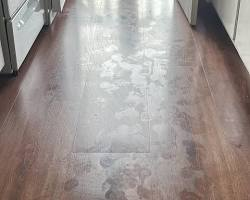
The salt used to de-ice sidewalks is a chemical nightmare for flooring. When tracked inside, these alkaline crystals can chemically react with the finish on hardwood floors or create a cloudy film on tile that standard "neutral" cleaners can't dissolve.
The Fix: Use a specialized "salt neutralizer" or a weak vinegar-water solution to break down the alkaline residue.
5. Reduced UV Light and Bacterial Growth
Sunlight is a natural disinfectant. UV rays help kill certain bacteria and mold spores on surfaces. With shorter days and less direct sunlight hitting your interiors, "bio-films" in damp areas like bathrooms can grow more aggressively despite the cold temperatures outside.
The Fix: Be more diligent with disinfecting high-moisture areas during the dark months.
Work Smarter, Not Harder
While the laws of physics might be working against your cleaning routine this season, you don’t have to let winter win. By understanding the science behind "static stick," chemical viscosity, and indoor air cycles, you can adjust your strategy to keep your home healthy and sparkling even during the darkest months. Remember, it’s not about scrubbing harder; it’s about using the right tools—like humidifiers, microfiber, and room-temperature cleaners—to counteract the elements. Stay warm, stay diligent, and you’ll be ahead of the game by the time spring cleaning rolls around.
Exhausted by the Winter Grime?


Comments